We have more ways to reach one another than ever before. So why does meaningful connection sometimes feel so difficult to find? Welcome to the digital fatigue paradox: we live in an age of constant connection, yet many of us are searching for something that technology alone cannot always provide.
Think about how many times you have picked up your phone today to check a message, answer an email, scroll through social media, listen to a podcast or watch a video about improving your wellbeing. Each interaction might have seemed useful or enjoyable but eventually leaving you mentally exhausted, socially disconnected or strangely unsatisfied.
You have already interacted with dozens of people without necessarily spending meaningful time with anyone. You have been exposed to end number of options and choices without asking for it, you have that another reel you might not get back to at all. While, digital tools can make valuable resources accessible, particularly for people who feel isolated or struggle to find support locally. The question is whether we sometimes mistake consuming information about wellbeing for making space to experience it. We can spend an hour watching videos about slowing down while never actually allowing ourselves to pause. We can read countless posts about building relationships without making time to sit across from another person.And we can learn about mindfulness while remaining caught in the very pace of life from which we want a break.
The difference between being seen and being known
Social media offers visibility, providing space to share our experiences, celebrate milestones and find communities that make us feel less alone. For many people, these connections are genuinely meaningful, but visibility and truly seeing someone are not the same thing. Someone might see our photographs, react to our updates and know what we have been doing without knowing how we are really feeling.
Meaningful connection often develop through less polished moments: conversations without an agenda, laughters, comfortable silence and the gradual familiarity of seeing the same people again. It takes time, requires a degree of openness. And sometimes, it asks us to tolerate the awkwardness of meeting someone new without the reassuring distance of a screen. That effort can feel inconvenient in a world where so much entertainment and interaction is available instantly. But human relationships are not always supposed to be frictionless. Sometimes, the walk to meet a friend, the decision to attend a local group or the courage to introduce ourselves to a stranger is part of what makes connection meaningful.
Why community deserves a place in our wellbeing
Loneliness and isolation is not simply a problem of having nobody around. It can also be the feeling that the relationships we have do not provide the connection we need. The World Health Organisation’s 2025 report on social connection estimated that approximately one in six people worldwide experiences loneliness. It also highlighted the importance of community-based approaches, including local groups and shared public spaces, in strengthening social connection.
We often talk about self-care in terms of personal routines: exercise, journalling, meditation, sleep and setting boundaries. These practices matter, but our social environments and connections matter too. Who do we spend time with? Where can we meet people without having to spend much money? Do our neighbourhoods offer opportunities to connect? Do we have spaces where we can participate without needing to perform, compete or prove ourselves? These are basic questions which sounds distant under the digital noise.
Being a part of community does not mean expecting other people to fix our difficulties or making ourselves responsible for their happiness.It can provide a different kind of support in creating gentle routines, shared commitments and opportunities to feel that we belong somewhere. It means recognising that we can take responsibility for our own wellbeing while creating opportunities to support one another. We can hold ourselves accountable to the promises we make to ourselves, and we can encourage each other to keep showing up. Not through guilt or pressure, but through consistency, kindness and mutual respect.
Redefining Connection Beyond the Screen with Pinealage
An interesting response to digital fatigue is emerging: using technology not to hold our attention for longer, but to help us find experiences beyond the screen.
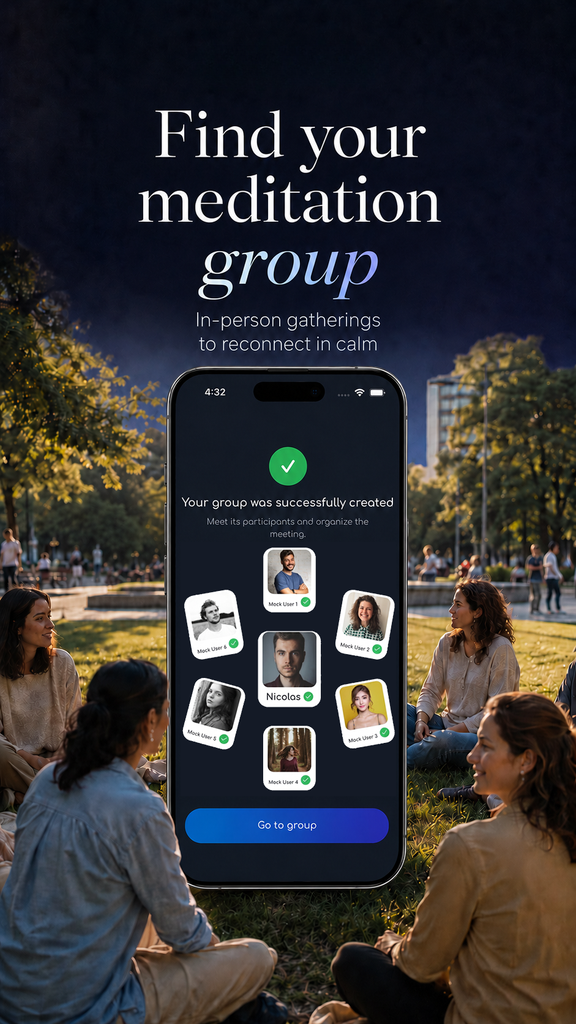
Pinealage founded by Gonzalo Arce, is one example of this approach. Pinealage is a meditation app uses geolocation to connect small groups of four to seven nearby people for short, in-person meditation sessions in public spaces. The technology helps coordinate the meeting. The intention is for the meaningful experience to happen offline, through shared stillness, recurring conscious breaks and the possibility of developing real-world connections. Its approach centres on small, self-organised communities rather than a traditional class led by a teacher. What makes this idea interesting is not simply that people meditate together. It is that a familiar digital tool becomes a means of arranging something that does not depend on continued digital engagement.
As a trained yoga, meditation and pranayama educator, I have always valued the importance of creating space to pause, breathe and reconnect with ourselves. I also believe that wellbeing becomes even more meaningful when we make it accessible and create opportunities for others to experience its benefits. What I particularly love about this concept is that it brings mindfulness out of the confines of an individual practice and into our shared spaces. You don’t need to be an experienced meditator, have a perfect routine or figure everything out alone. Sometimes, all you need is a little willingness to show up, breathe and be present with others and I feel sometimes that is the first step towards a better you. I would love to see more people experience that sense of connection, both with themselves and with the communities around them.

The answer – We don’t need to disconnect from the world, we need to reconnect with it together
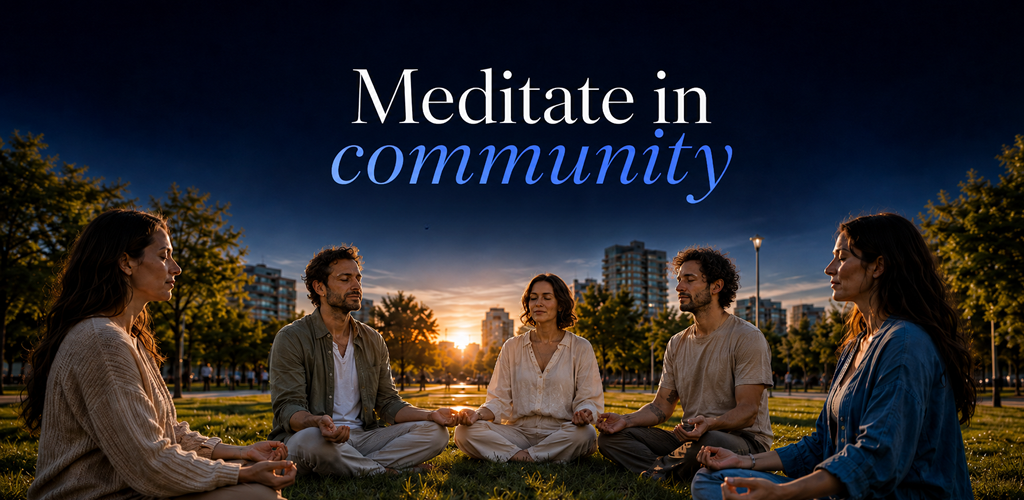
Digital fatigue does not mean that every screen is harmful or that our lives would be better without technology. For many of us, digital spaces provide friendship, learning, support and a sense of belonging. The challenge is finding a healthier relationship between our online and offline lives. It might be a walk with a friend, a local book club, a community gardening session or a few minutes of meditation in a public park.
A systematic research of UK social-prescribing initiatives highlighted the importance of meaningful relationships, shared identity and perceived support in community-based approaches to wellbeing. At the same time, we do not need to turn socialising into another productivity goal or make every interaction meaningful. We need room for ordinary human moments, including the imperfect, unplanned ones. Maybe the next step in digital wellbeing is using technology more mindfully and make it work in our favour.
Disclosure: This article was created in collaboration with Pinealage. Pinealage is an offline-first mindfulness app designed to help people connect for in-person group meditation. Find out more at pinealage.com.